Delivering Freight
Transportation
Solutions


TRUSTED
FREIGHT
MANAGEMENT
CONSULTANTS
TRANSPORTATION & LOGISTICS CONSULTING SERVICES
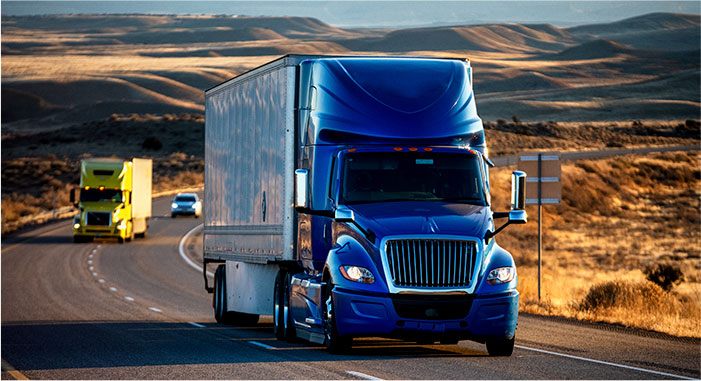
Transportation Audits
We also review your carrier procurement, management and rate negotiation processes and provide a roadmap to achieve overall efficiencies and reduce freight costs where possible.
Freight RFPs
• Creating an accurate freight cost database
• Mode and carrier selection
• Data analysis
• Carrier rate and capacity negotiations
• Contract and KPI design
• Routing guide preparation
We’ll help you procure the optimum mix of modes and carriers at the best possible price to maximize the value of this large expenditure.

TESTIMONIALS
Dan has a wealth of transportation experience, having been in the trenches and knowing the realities of the business. We like working with him because he brings a hands-on view to our consulting engagements which the clients appreciate and are willing to pay for.
Dan is straightforward and easy to work with. He works independently and is flexible to the client’s needs. We will work with Dan again on the next available assignment.
I have had the opportunity to partner with Dan Goodwill for many years when I was a Vice President, Operations & Business Systems at Wajax, and he conducted some key assignments for us. These assignments were designed to help us to streamline our procuring of freight and related transportation services.
Dan and his team of freight management consultants helped us with the following:
1. Scoping of objectives
2. Collection and cleaning of internal & external data on shipping costs, rates, locations, etc.
3. Mode and carrier selection
4. Freight RFP preparation, solicitation and response
5. Rate negotiations with selected freight service providers
6. Implementation and monitoring of results
This led to a 30% reduction in our freight costs and the selection of transportation and logistics providers who are aligned with our business objectives.
Dan and his team have great industry knowledge, are very professional and will hold your hand all the way. They are systematic and they worked with us in a structured & thoughtful way.
Our company enlisted the help of Dan Goodwill & Associates to complete a full transportation study. This project found several opportunities that our company could improve on. The review was very thorough and explored many parts of our manufacturing/production company. Many of our processes were streamlined and defined to move forward with the ever-changing transportation industry.
During this study, it was also suggested that we complete a Freight RFP/Bid project. Throughout both parts of our year-long partnership with DGA, we felt that they were the best company to utilize for these projects. Dan and his team of expert freight management consultants took the time to explain each step of the process in depth. They are very knowledgeable, trustworthy and ethical. Our entire company and executive team recognized the value of hiring DGA for these freight transportation projects.
I have had the pleasure to work with Dan over the course of a 10 month period where Dan and his colleagues were tasked with helping us analyze the North American road transport sector in relation to our unique tracking and monitoring products. Not only did we benefit from Dan’s great network and knowledge about and within the transport sector, but also from the way Dan approached the work we provided. We experienced a very professional, systematic, careful, friendly and well thought out approach that delivered the results we wanted. There is no doubt that we would have spent far more resources in order to get similar results without the help from Dan.
Dan is one of the most detailed individuals that I have ever worked with. His knowledge of the industry coupled with Dan’s high level of integrity, trust and respect made these the best cost-saving and service improvement projects that our company has undertaken. If you are looking for someone who delivers results, Dan is the man.
We had the opportunity to work with Dan on a multi company project. Specific goals were set for each site and timelines set. Dan and his group extensively and expertly prepared and sent out a package to potential carriers and current carriers that covered a voluminous amount of areas. The results have been great for us and the customers have been well satisfied with changes we made to their specific plants. We will use Dan and his group in the future and have no reservations about highly recommending that you hire him and his company for your transportation service needs.
Industry Insights
that may impact processes and recent innovations and innovators that are changing the course of our industry.

Freight Transportation – the Road Ahead in 2024

Transportation Executives Must Now Consider Geopolitics in Their Planning Efforts

It’s Freight Bid Season Again
CLIENT LIST